Showing posts with label Czech Republic UNESCO. Show all posts

Monday, December 30, 2024

Czech Republic: Žatec and the Landscape of Saaz Hops

This cultural landscape has been shaped for centuries by the living tradition of cultivating and trading the world’s most renowned hop variety, used in beer production around the globe. The property includes particularly fertile hop fields near the river Ohře that have been farmed continuously for hundreds of years, as well as historic villages and buildings used for processing hops. The urban component of the property is represented by the medieval centre of Žatec with its southern extension, known as the “Prague Suburb” (Pražské předměstí) including numerous specific 19th to 20th-century industrial structures. Together, these illustrate the evolution of the agro-industrial processes and socio-economic system of growing, drying, certifying, and trading hops from the Late Middle Ages to the present. source:whc.unesco.org
Inscribed: 2023


 Thanks to Ms Helen.
Tuesday, December 17, 2024

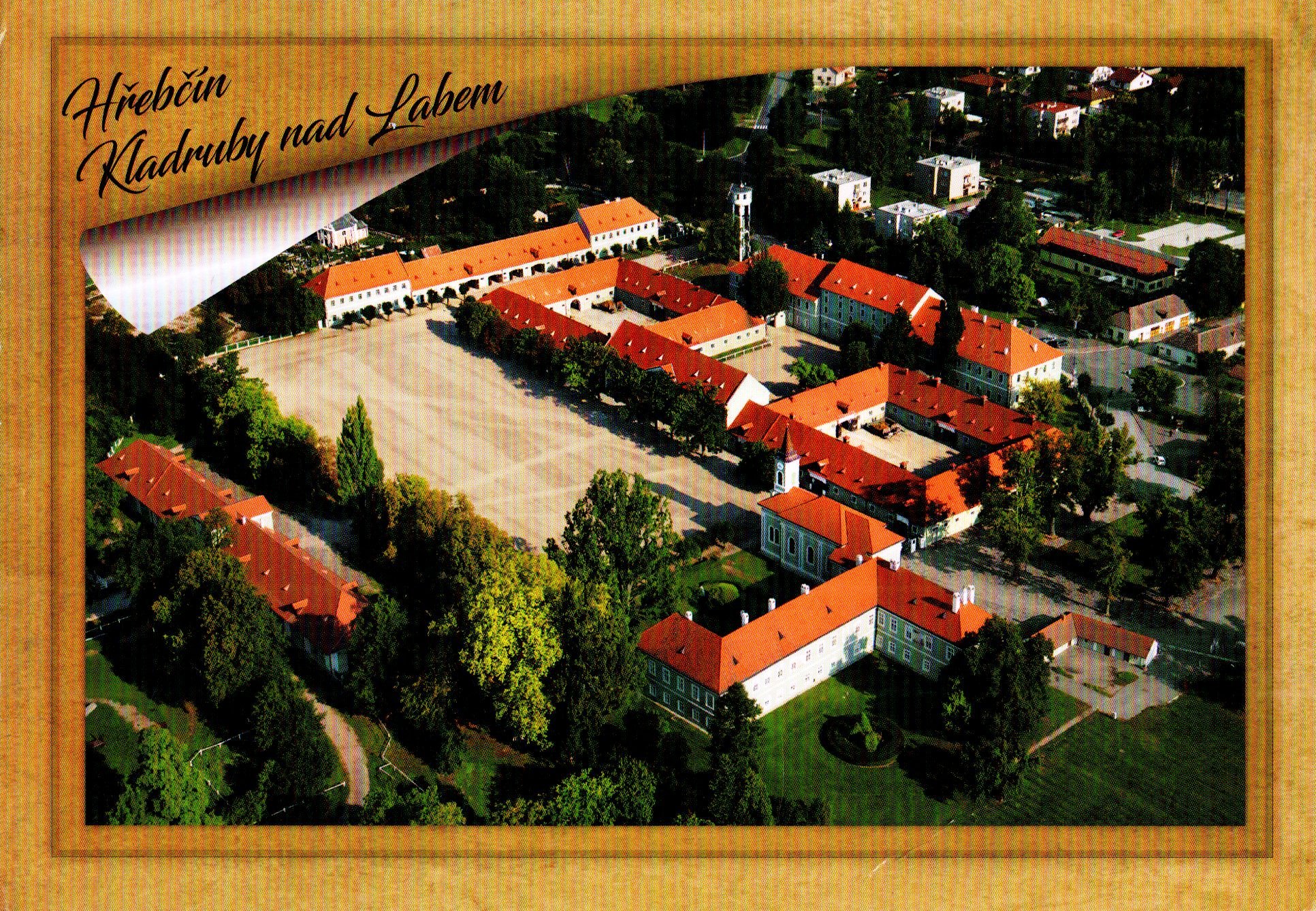
Czech Republic: Landscape for Breeding and Training of Ceremonial Carriage Horses at Kladruby nad Labem

 The property is situated on the Elbe (Labe) River flood plain where there is sandy soil, ox bow lakes and the relic of a riparian forest. The structure and functional use of plots of land (pastures, meadows, forests, fields, park), network of paths, avenues, trees in regimented lines and arranged clusters as well as the solitary trees, the network of watercourses, ensembles of buildings in the farmsteads and the overall composition including functional relations and links between these components - all this fully serves the needs of breeding and training of the Baroque draught horses of the Kladruber breed which were used during the ceremonies at the Habsburg Imperial Court. The composition of the landscape is the evidence of the intentional artistic approach to the landscape. The property is a rare example of the synthesis of two types of cultural landscape - living and organically developing landscape where its key function dominates and the manmade landscape intentionally designed and created using the principles of the French and English landscape architecture which is an outstanding example of the specialised decorative farm - ferme ornée. The Imperial Stud Farm was founded in 1579 and its landscape has been used for this purpose since then. source:whc.unesco.org
Inscribed :2019


Thanks to Ms Helena of Czech Republic.

Tuesday, July 16, 2024

Germany/ Czech Republic: Erzgebirge/Krušnohoří Mining Region

Erzgebirge/Krušnohoří (Ore Mountains) spans a region in south-eastern Germany (Saxony) and north-western Czechia, which contains a wealth of several metals exploited through mining from the Middle Ages onwards. The region became the most important source of silver ore in Europe from 1460 to 1560. Mining was the trigger for technological and scientific innovations transferred worldwide. Tin was historically the second metal to be extracted and processed at the site. At the end of the 19th century, the region became a major global producer of uranium. The cultural landscape of the Ore Mountains has been deeply shaped by 800 years of almost continuous mining, from the 12th to the 20th century, with mining, pioneering water management systems, innovative mineral processing and smelting sites, and mining cities. Source:whc.unesco.org
Inscribed: 2019
Germany
1. Dippoldiswalde Medieval Silver Mines
2. Altenberg-Zinnwald Mining Landscape
3. Lauenstein Administrative Centre
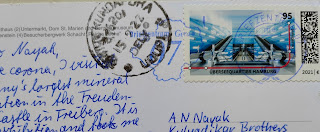
4. Freiberg Mining Landscape- Received
5. Hoher Forst Mining Landscape
6. Schneeberg Mining Landscape
7. Schindlers Werk Smalt Works
8. Annaberg-Frohnau Mining Landscape
9. Pöhlberg Mining Landscape
10. Buchholz Mining Landscape
11. Marienberg Mining Town
12. Lauta Mining Landscape
13. Ehrenfriedersdorf Mining Landscape
14. Grünthal Silver-Copper Liquation Works
15. Eibenstock Mining Landscape
16. Rother Berg Mining Landscape
17. Uranium Mining Landscape

Czech Republic
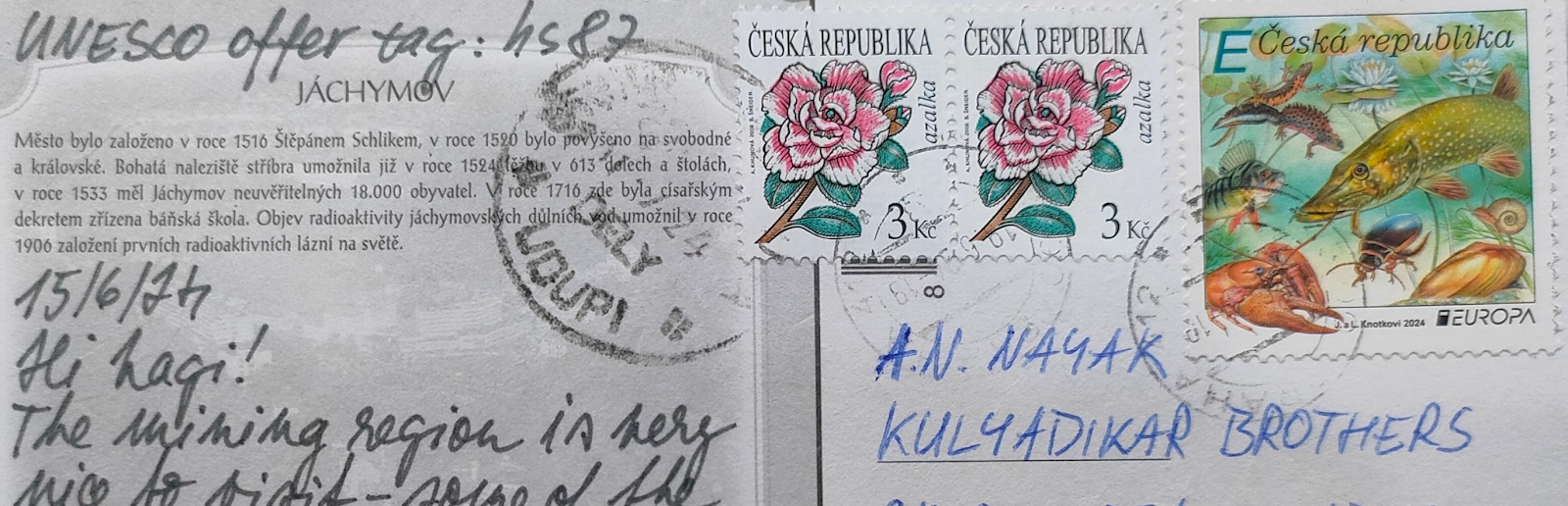
1. Jáchymov Mining Landscape- Received
2. Abertamy Bozi Dar Horni Blatna – Mining Landscape
3. The Red Tower of Death in Ostrov
4. Krupka Mining Landscape
5. Mědník Hill Mining Landscape in Měděnec

Germany: Freiberg


Thanks to Ms Sylvia

Czech Republic: Jachymov


Thanks to Ms Helena.


Saturday, July 7, 2018

Czech Republic: Tugendhat Villa in Brno

The Tugendhat Villa in Brno, designed by the architect Mies van der Rohe, is an outstanding example of the international style in the modern movement in architecture as it developed in Europe in the 1920s. Its particular value lies in the application of innovative spatial and aesthetic concepts that aim to satisfy new lifestyle needs by taking advantage of the opportunities afforded by modern industrial production. source:whc.unesco.org
Inscribed: 2001


Thanks to Mr Muller

Wednesday, June 8, 2016

Czech Republic: Holašovice Historic Village (1998)

Holašovice is an exceptionally complete and well-preserved example of a traditional central European village. It has a large number of outstanding 18th- and 19th-century vernacular buildings in a style known as 'South Bohemian folk Baroque', and preserves a ground plan dating from the Middle Ages. Source:whc.unesco.org
Inscribed: 1998


Thanks to Ms Jana

Monday, June 6, 2016

Czech Republic: Jewish Quarter and St Procopius' Basilica in Třebíč

The ensemble of the Jewish Quarter, the old Jewish cemetery and the Basilica of St Procopius in Třebíč are reminders of the co-existence of Jewish and Christian cultures from the Middle Ages to the 20th century. The Jewish Quarter bears outstanding testimony to the different aspects of the life of this community. St Procopius' Basilica, built as part of the Benedictine monastery in the early 13th century, is a remarkable example of the influence of Western European architectural heritage in this region. Source:whc.unesco.org
Inscribed: 2003. Modification: 2018


Thanks to Ms Kalka.

Tuesday, July 1, 2014

Czech Republic: Litomyšl Castle

Litomyšl Castle was originally a Renaissance arcade-castle of the type first developed in Italy and then adopted and greatly developed in central Europe in the 16th century. Its design and decoration are particularly fine, including the later High-Baroque features added in the 18th century. It preserves intact the range of ancillary buildings associated with an aristocratic residence of this type. source:whc.unesco.org
Inscribed: 1999


Thanks to Ms Micheala.

Czech Republic: Historic Centre of Český Krumlov

Situated on the banks of the Vltava river, the town was built around a 13th-century castle with Gothic, Renaissance and Baroque elements. It is an outstanding example of a small central European medieval town whose architectural heritage has remained intact thanks to its peaceful evolution over more than five centuries. Source:whc.unesco.org
Inscribed: 1992


Thanks to Rudka.

Czech Republic: Gardens and Castle at Kroměříž

Kroměříž stands on the site of an earlier ford across the River Morava, at the foot of the Chriby mountain range which dominates the central part of Moravia. The gardens and castle of Kroměříž are an exceptionally complete and well-preserved example of a European Baroque princely residence and its gardens. Source:whc.unesco.org
Inscribed: 1998

Postcard 1


Postcard 2

Thanks to Ms Micheala.

Czeh Republic: Pilgrimage Church of St John of Nepomuk at Zelená Hora

This pilgrimage church, built in honour of St John of Nepomuk, stands at Zelená Hora, not far from Ždár nad Sázavou in Moravia. Constructed at the beginning of the 18th century on a star-shaped plan, it is the most unusual work by the great architect Jan Blazej Santini, whose highly original style falls between neo-Gothic and Baroque. Source:whc.unesco.org
Inscribed: 1994


Thanks to Mr Radek.

Czech Republic: Historic Centre of Telč

The houses in Telc, which stands on a hilltop, were originally built of wood. After a fire in the late 14th century, the town was rebuilt in stone, surrounded by walls and further strengthened by a network of artificial ponds. The town's Gothic castle was reconstructed in High Gothic style in the late 15th century. Source:whc.unesco.org
Inscribed: 1992


Thanks to Mr Radek.

Czech Republic: Kutná Hora: Historical Town Centre with the Church of St Barbara and the Cathedral of Our Lady at Sedlec

Kutná Hora developed as a result of the exploitation of the silver mines. In the 14th century it became a royal city endowed with monuments that symbolized its prosperity. The Church of St Barbara, a jewel of the late Gothic period, and the Cathedral of Our Lady at Sedlec, which was restored in line with the Baroque taste of the early 18th century, were to influence the architecture of central Europe. These masterpieces today form part of a well-preserved medieval urban fabric with some particularly fine private dwellings. Source:whc.unesco.org
Inscribed: 1995


Thanks to Mr Radek.

Czech Republic: Lednice-Valtice Cultural Landscape

Between the 17th and 20th centuries, the ruling dukes of Liechtenstein transformed their domains in southern Moravia into a striking landscape. It married Baroque architecture (mainly the work of Johann Bernhard Fischer von Erlach) and the classical and neo-Gothic style of the castles of Lednice and Valtice with countryside fashioned according to English romantic principles of landscape architecture. At 200 km2 , it is one of the largest artificial landscapes in Europe. source:whc.unesco.org
Inscribed: 1996


Thanks to Ms Marella.

Czech Republic: Historic Centre of Prague

Built between the 11th and 18th centuries, the Old Town, the Lesser Town and the New Town speak of the great architectural and cultural influence enjoyed by this city since the Middle Ages. The many magnificent monuments, such as Hradcany Castle, St Vitus Cathedral, Charles Bridge and numerous churches and palaces, built mostly in the 14th century under the Holy Roman Emperor, Charles IV. Source:whc.unesco.org
Inscribed: 1992.Modification: 2012

Postcard 1
Thanks to Ms Pavala
Postcard 2


Thanks to Mr David

Czech Republic: Holy Trinity Column in Olomouc

This memorial column, erected in the early years of the 18th century, is the most outstanding example of a type of monument specific to central Europe. In the characteristic regional style known as Olomouc Baroque and rising to a height of 35 m, it is decorated with many fine religious sculptures, the work of the distinguished Moravian artist Ondrej Zahner. Source:whc.unesco.org
Inscribed: 2000


Thanks to Ms Mirka.